

Cumbernauld Residential And Commercial Boiler Installation
Have a brand-new A+ rated gas boiler installed and start to save money on your monthly gas bills right away.
Get In Touch Today
Our approved Gas Safe Registered gas boiler installation engineers provide and install an extensiverange of A+ rated, energy-saving new gas boilers from the top suppliers like Baxi, Worcester-Bosch, Viessmann, Vaillant, Ideal, Glow-worm and many more, throughout the Clavering and Essex area.
So if you’re not really sure when it comes to the kind of gas boiler you require, or you’re concerned about the cost of buying a brand-new gas boiler. Do not stress our trusted traders are available to assist you find the best gas boiler to match your needs and budget.
To find out more just fill in the form and we’ll respond to you. Or feel free to give us a ring.
Do You Require A Boiler Installation Quotation
Do you own a property that has a boiler that doesn't work well? Have you considered replacing it? Or maybe you simply want to schedule regular servicing so your heating system runs efficiently and lasts longer. A boiler engineer who is Gas Safe registered is the best choice for all your needs.
The gas boiler is an essential component of any hot water heating system. Your boiler works harder than any other component of your heating system. Your boiler will also become less efficient and less reliable over time. This will result in a higher maintenance cost and increased energy consumption. It is therefore more economical to replace your commercial boiler with a more efficient one after 10-15 years. Plus the recent advances in technology have made boilers a lot more efficient.
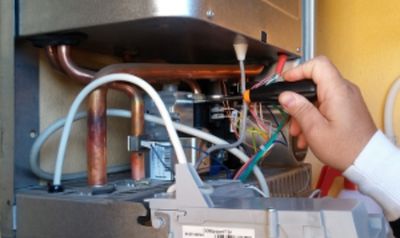
A central heating boiler is only just as good as the installation and the gas boiler installation engineers who we work with have refined their boiler installation techniques for many years and are so confident of the boilers they install and their central heating boiler installation service that they offer up to a Ten Year parts and labour warranty with a lot of the brand-new boilers installed.
The team of gas boiler technicians who we work with are all Gas Safe Registered and perform gas boiler installation and gas boiler replacement for property owners in Cumbernauld, and across the Dunbartonshire area. They have many years of experience installing and replacing gas boilers from the reputable manufacturers including Viessmann, Glow-worm, Worcester-Bosch, Vaillant, Ideal, Baxi plus more.
For your FREE no-obligation quote for any of our Commercial or Residential boiler services, call our expert team today
Understanding the Costs of New Boiler Installation in the UK
When it comes to warming your home, the heart of the matter often lies within the humble boiler. This critical component not only ensures your living space remains cosy during the nippy UK winters but also plays a pivotal role in providing hot water. If you find yourself pondering over the cost of installing a new boiler or replacing an old, weary one, you're not alone. The financial aspect of this necessary upgrade is a question on the lips of many. But fear not, for we are here to dissect the nuances of boiler installation costs, ensuring you're well-informed to make the right decision for your home and wallet.
The investment required for a new boiler installation can vary widely, influenced by several factors such as the type of boiler, the complexity of the installation process, and your location within the UK. A straightforward replacement, where the new boiler is of the same type and positioned in the same location as the old one, will naturally be less costly. However, should you decide to switch from, say, a conventional boiler to a more efficient combi model, or relocate the boiler altogether, the price will adjust accordingly. This is because such changes often require additional work such as altering pipework, which, in turn, increases labour time and costs.
Moreover, the choice of boiler brand and its associated energy efficiency ratings can also sway the final figure. Investing in a high-quality, energy-efficient boiler from a reputable UK manufacturer may have a higher initial outlay but can lead to significant savings on your energy bills in the long run. Additionally, it's worth exploring the availability of government grants or incentives such as the Energy Company Obligation (ECO) scheme or the Renewable Heat Incentive (RHI). These can offer financial support towards the cost of your new boiler, softening the impact on your finances. In the end, while the upfront cost of a boiler installation might seem daunting, the benefits of increased efficiency, reliability, and the peace of mind that comes with a new, warranty-backed installation cannot be overstated.

Choosing the Right Boiler For The Size Of Your Home
When it comes to selecting a new boiler, one of the most important considerations is finding a model that fits your home's size and your heating needs. A boiler that is too small won't keep your home warm enough, and a boiler that is too large will waste a lot of energy and increase your fuel bills. Here is how to determine the right boiler for your home size, ensuring efficient heating and optimal performance.
Assessing Your Home’s Heating Needs
The first step in choosing the right boiler is to assess the heating requirements of your home. This involves considering the size of your home (in square feet), the number of rooms it has, and the overall layout of your property. A larger home with multiple rooms or open spaces may require a boiler with a higher output to ensure adequate heating throughout your home.
Additionally, it is also about your home's insulation levels. Homes that are poorly insulated require more powerful boilers because they lose heat quicker. Whereas a well-insulated home can retain heat longer, meaning they can often make do with a boiler that has a lower heat output. The climate in your local area also affects the size of the boiler. If your home is in a colder region then it will naturally demand more from a heating system than if it was in a milder area.
Understanding Boiler Types and Capacities
Combi Boilers
Combi boilers are a popular choice for small to medium-sized homes with one or two bathrooms. They provide heat and hot water on demand without the need for a separate water tank. However, their capacity to supply hot water is limited by their rate of water flow, so if your home has high hot water needs, such as multiple bathrooms, then a combi boiler might struggle to keep up during peak times.
System and Regular Boilers
For larger homes with multiple bathrooms, a system or regular boiler might be more appropriate. These boilers use a hot water storage cylinder to hold a large volume of hot water, making it easier to supply hot water to several outlets simultaneously without a drop in pressure. They are particularly suitable for homes where hot water demand is high or where multiple family members might need to use hot water at the same time.
Calculating the Correct Boiler Size
To choose the correct size boiler, you can use a simple rule of thumb based on your home’s square footage. As a general guide, you’ll need about 1.5 kW of boiler power for every 10 square metres of floor space in a typical home. However, this can vary based on factors like insulation quality and your specific heating and hot water needs. It’s often wise to consult with a heating engineer who can perform a more detailed heat loss calculation. This calculation considers factors like external temperatures, insulation levels, window sizes, and more to recommend the ideal boiler size for your home.
Choosing the right boiler for your home is not just about ensuring comfort; it's also about maximising energy efficiency and managing your energy costs. By carefully considering your home’s specific needs and consulting with the professionals, you can select a boiler that provides efficient, effective heating and hot water for your entire household.
For your FREE no-obligation quote for any of our Commercial or Residential boiler services, call our expert team today
Boiler Installation FAQs
Can a plumber install a boiler?
Unless a plumber is Gas Safe Registered then a plumber can not install a boiler? Although they may be highly experienced in the full range of plumbing such as leaky pipes dripping taps and dishwasher installation, plumbers are not necessarily qualified to work on a gas boiler. Some plumbers are Gas Safe registered however and can therefore install a boiler for you, but this should not be expected as standard.
When should you replace a boiler?
When should you replace a boiler? If your boiler is more than 10 years old it might be worth replacing it. Even if it functions fine the older it gets the more likely it is to break down. Plus it's probably much less efficient than a new boiler.
Can a combi boiler run 2 showers?
Can a combi boiler run 2 showers? Combi boilers do not cope well with 2 showers running at the same time in the same property due to the use of hot water across both showers. ... The good news though is that you will no longer need a hot water cylinder or a cold water tank in the loft space roof or basement though.
Where is the best place to put a boiler?
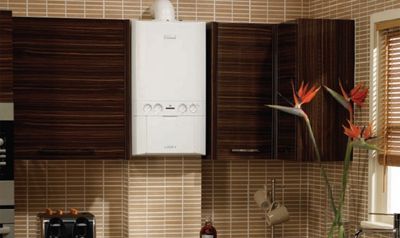
Where is the best place to put a boiler? Common places to have your boiler installed Kitchen, Utility room, Loft, Bedroom, Bathroom, Garage, Airing Cupboard.
How often should you flush your boiler?
How often should you flush your boiler? Approximately every 5 to 6 years. This depends on the material your radiators are made out of the age and type of your boiler and the hardness of your water. The short and generally agreed upon answer is that you should flush your radiators every 5 to 6 years.
Other areas we cover include: