

Residential & Commercial Boiler Replacement Orchard Park
Have a modern A+ rated boiler installed and start saving money on your monthly gas bills right away.
Get In Touch Today
Our approved Gas Safe Registered gas boiler installation engineers provide and install an extensiverange of A+ rated, energy-saving new gas boilers from the top suppliers like Baxi, Worcester-Bosch, Viessmann, Vaillant, Ideal, Glow-worm and many more, throughout the Clavering and Essex area.
So if you’re not really sure when it comes to the kind of gas boiler you require, or you’re concerned about the cost of buying a brand-new gas boiler. Do not stress our trusted traders are available to assist you find the best gas boiler to match your needs and budget.
To find out more just fill in the form and we’ll respond to you. Or feel free to give us a ring.
Understanding When It’s Time for a New Boiler
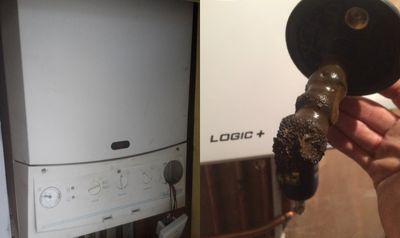
Have you ever found yourself asking, "Is it time to get my boiler replaced?" Well, you're not alone. Many homeowners face this question, especially as their boiler starts showing signs of wear and tear. Recognising these signs can be the difference between staying ahead of winter's chill and finding yourself in a cold spot. First and foremost, an old or malfunctioning boiler tends to work less efficiently, leading to higher energy bills. If your bills have been creeping up, despite your best efforts to save energy, your boiler might be the culprit. Moreover, frequent breakdowns and the constant need for repairs can be both costly and inconvenient. It's like having a car that's always in the shop; eventually, you have to ask yourself if it's worth the hassle.
But how do you know for sure it's time to change your boiler? Listen to it. No, really. Strange noises coming from your boiler, such as banging, whistling, or gurgling, can indicate that it's struggling to work correctly. These sounds can be a boiler's way of crying out for help, signalling issues like low water pressure or a lime-scale build-up. Another tell-tale sign is if your home isn't warming up as efficiently or evenly as it used to. You might find that some rooms feel like a tropical paradise, while others are more akin to the Arctic. It's not just about comfort; it's about efficiency and safety too. An old boiler can also be a safety hazard, with risks of carbon monoxide leaks, which are as dangerous as they sound.
Deciding to install a new boiler isn't just about solving current problems; it's an investment in your home's future. Modern boilers are more energy-efficient, reliable, and safer. They come with features that not only save you money on your energy bills but also offer peace of mind. Imagine being able to control your home's heating from your smartphone, ensuring a warm welcome home without wasting energy all day. Plus, with potential government grants and incentives like the Energy Company Obligation (ECO) scheme or the Renewable Heat Incentive (RHI), upgrading your boiler can be more affordable than you think. So, while the question of when to replace your boiler might seem daunting, the answer could very well lead you to a warmer, more efficient, and safer home.
If you have further questions about Commercial or Residential gas boiler installation give us a call to book a free survey.
Understanding the Lifespan of Your Boiler
When you invest in a boiler for your home, you’re not just buying a product; you’re securing warmth and comfort for years to come. Knowing how long a typical boiler lasts is essential for planning maintenance, budgeting for future costs, and ensuring your home remains a welcoming space during the colder months.
What is the Average Lifespan of a Gas Boiler?
The lifespan for a typical modern boiler under normal operating conditions is about 10 to 15 years. However, the actual lifespan of your boiler can vary based on the brand, model, and most importantly, how well it is maintained. As with any of your home appliances, regular servicing is the key to maximising the life of your boiler. This not only helps to keep your boiler running efficiently but it also identifies potential issues before they turn into costly repairs.
What Are The Factors That Influence A Boilers Lifespan
Installation and Initial Quality
The first factor is the quality of the installation and the initial quality of the boiler. A properly installed and high-quality boiler can last towards the upper end of the lifespan range, if not longer. It’s crucial to choose a reputable and professional installer who can ensure that your boiler is set up correctly from the start. Faulty installation can lead to numerous problems, affecting not only the efficiency but also the lifespan of your boiler.
Maintenance and Care
Regular maintenance is perhaps the most critical factor in determining how long your boiler will last. Annual check-ups by a certified technician can help ensure that your boiler operates at peak efficiency for years. These inspections can help catch issues like leaks, rust, and other wear and tear that might worsen over time and end up as extremely costly repairs. Also replacing parts like valves and seals as they are needed can prevent more significant and, more expensive problems later.
How You Use Your Boiler
The way that you use your boiler can also affect its lifespan. For instance, constant high demand on your boiler can lead to quicker degradation. In contrast, a boiler that is used more moderately may last longer. Additionally, the settings that you use can impact how hard your boiler has to work. For example, if you set your thermostat to a lower temperature overnight this can reduce the strain on your boiler.
If you are noticing that your boiler seems less efficient, is starting to require more frequent repairs, or just isn’t performing as it used to, it might be time to start thinking about a replacement boiler. While the cost of having a new boiler installed might seem daunting, the newer boiler models are much more energy-efficient and reliable, which will save you money and stress in the long run. Considering getting a replacement before your old boiler does fail completely can also prevent the discomfort of finding you and your family without heat during a cold snap.
Ultimately, your boiler is a key component of your home’s heating system. By understanding and anticipating its lifespan, you can plan effectively, ensuring that your home heating remains both efficient and economical for many years.

Choosing the Right Boiler For Your Home Key Factors to Consider
When it's time to upgrade your gas boiler, the choice can feel overwhelming with the numerous boilers available. Knowing what factors you should consider will help to streamline your decision and ensure that you select a boiler that fits both your heating needs and your budget perfectly. Here are several critical elements to think about when you are choosing a new boiler for your home.
What Are Your Heating and Hot Water Needs?
The size of the boiler you purchase is one of the most important factors that you need to consider. This doesn't refer to the actual physical size, but to the capacity of the boiler to meet your heating and hot water requirements. If you purchase a boiler that is too large then that will increase your energy bills unnecessarily, while buying a boiler that is too small will not be able to keep up with demand. You need to consider the size of your property, the number of bathrooms you have, and how many people live in your home. Consulting with one of our boiler engineers will help you to determine the correct size of boiler that you require.
Choosing the Right Type of Boiler
Combi, System, or Conventional Boiler?
There are 3 main types of boilers: combi, system, and conventional. Each boiler type will suit a different home setup.
- Combi boilers: These are ideal for smaller properties without loft space as they do not require a hot water tank. They provide hot water on demand but might struggle in homes where multiple taps are used simultaneously.
- System boilers: These boilers use a cylinder to store hot water and are suitable for homes with greater hot water needs.
- Conventional boilers: These boilers are best for large homes with multiple bathrooms, requiring both a cylinder and a tank, but they allow multiple taps to be used at once without loss of pressure.
Energy Efficiency
Energy efficiency is another crucial factor. A more efficient boiler will significantly reduce both your energy bills and your carbon footprint. You should look for boilers with a high energy efficiency rating. In the UK, boilers are rated according to how efficiently they convert energy into heat and how much heat is lost during the process. The ratings are displayed on an energy label ranging from G (least efficient) to A+++ (most efficient). Choosing a boiler with a high rating is not only good for the environment but also for your wallet in the long run.
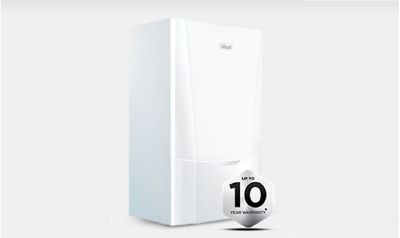
Finally, you should consider the reliability of the brand and the availability of after-sales support and warranties. Research the different brands and read the customer reviews to gauge the reliability of their boilers. A warranty can provide you with peace of mind, but the length and the coverage details can vary significantly between models and brands. Make sure you understand what is covered and for how long before you make a decision.
By taking these factors into account, you can choose a new boiler that not only meets your heating needs but will also operate efficiently and reliably over its lifetime. Consulting with one of our professional boiler engineers will provide you with tailored advice and insights based on your specific home layout and needs, ensuring that you make the best choice for your situation.
If you have further questions about Commercial or Residential gas boiler installation give us a call to book a free survey.
Boiler Installation FAQs
Are power flushes worth it?
Are power flushes worth it? Powerflushing can be an effective way to remove sludge and blockages from a central heating system but some installers find it difficult to convince the householder that it's a service worth paying for.
Why are radiators cold at the bottom?
Radiators made of steel or iron are cold at the bottom as iron compounds will gradually be created as the water passes over it. Magnetite and haematite (two forms of iron oxide) are the biggest problems but there can also be other impurities in the water like limescale that can cause grime to accumulate.
How often should central heating inhibitor be changed?
Your central heating inhibitor will need to be changed once a year or so. It will break down over time meaning minerals and rust build up once more. This means regulating your system's inhibitor intake ensuring it runs steadily and consistently. You should always top up the inhibitor every time your system is drained.
How long should central heating boiler last?
The average life expectancy for a central heating boiler is between 10 and 15 years. You should ensure that your boiler is maintained properly in order to keep it functioning for as long as possible.
Is it cheaper to have heating on low all day?
Is it cheaper to have heating on low all day? According to experts at the Energy Saving Trust the idea it's cheaper to leave the heating on low all day is a myth. They're clear that having the heating on only when you need it is in the long run the best way to save energy and therefore money.
Other areas we cover include: