

Whitehill Commercial And Residential Boiler Replacement
Get a new A+ rated gas boiler fitted and start to save money on your monthly gas bills right away.
Get In Touch Today
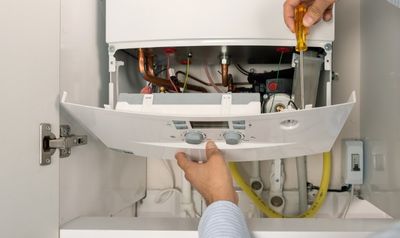
Our approved Gas Safe Registered gas boiler installation engineers provide and install an extensiverange of A+ rated, energy-saving new gas boilers from the top suppliers like Baxi, Worcester-Bosch, Viessmann, Vaillant, Ideal, Glow-worm and many more, throughout the Clavering and Essex area.
So if you’re not really sure when it comes to the kind of gas boiler you require, or you’re concerned about the cost of buying a brand-new gas boiler. Do not stress our trusted traders are available to assist you find the best gas boiler to match your needs and budget.
To find out more just fill in the form and we’ll respond to you. Or feel free to give us a ring.
When Is The Right Time for a Boiler Replacement
Deciding when to replace your boiler can be a bit daunting. You want to get the most out of your current boiler, but you also don't want to wait until it fails completely, and potentially leaving you in the cold and facing an unexpected big bill.
What Are The Signs of an Aging Boiler
One of the first things you should look at is the age of your boiler. Most boilers have a lifespan of about 15 years. If yours is approaching or has surpassed this age, it's time to start considering a replacement. Age isn't just a number when it comes to boilers; as they get older, boilers become less efficient and more prone to breakdowns. You might notice that your heating bills are steadily increasing, which is often due to the declining efficiency of your ageing boiler as it needs to work harder to heat your home.
Another telltale sign is the frequency of which you are needing repairs. If you find yourself calling for repairs more than once a year, it's a clear indicator that your boiler is on its last legs. Frequent breakdowns are not only inconvenient but they are also an economic burden. Also, parts for older model boilers are harder to find and can be more expensive, which adds to the overall cost of maintaining your outdated system.
What Are The Benefits of a New Boiler
A new boiler offers more than just reliability; it also provides you with improved efficiency. Modern boilers are designed to use less energy to produce the same amount of heat as older ones, which means they are better for your wallet and the environment. The initial investment might seem large at the time, but the reduction in your monthly energy bills can make up for the upfront cost over time.
Is Your Boiler Meeting Your Current Needs?
As you assess whether you need a new boiler, consider any changes in your heating requirements. Have you had an extension added to your home, or has the number of occupants increased since you had the current boiler installed. These factors can place a strain on your old boiler pushing it beyond its capacity, making it inefficient and uneconomical to run. A new boiler can be sized perfectly to match your current needs, ensuring efficient operation and optimal comfort.
If you're experiencing issues with your boiler or suspect it might be time for an upgrade, consulting with a professional gas boiler installer will provide you with the guidance that you need. They will assess your current system and help you to determine what are the best options for a replacement. The options will be tailored to your home, lifestyle and budget needs. Don't wait for your boiler to fail. Proactively replacing your boiler can ensure that you and your family stay warm when you need it the most and you save money in the long run.
If you’re looking for a Commercial or Residential gas boiler installation we can help.
Understanding the Costs of New Boiler Installation in the UK
When it comes to warming your home, the heart of the matter often lies within the humble boiler. This critical component not only ensures your living space remains cosy during the nippy UK winters but also plays a pivotal role in providing hot water. If you find yourself pondering over the cost of installing a new boiler or replacing an old, weary one, you're not alone. The financial aspect of this necessary upgrade is a question on the lips of many. But fear not, for we are here to dissect the nuances of boiler installation costs, ensuring you're well-informed to make the right decision for your home and wallet.
The investment required for a new boiler installation can vary widely, influenced by several factors such as the type of boiler, the complexity of the installation process, and your location within the UK. A straightforward replacement, where the new boiler is of the same type and positioned in the same location as the old one, will naturally be less costly. However, should you decide to switch from, say, a conventional boiler to a more efficient combi model, or relocate the boiler altogether, the price will adjust accordingly. This is because such changes often require additional work such as altering pipework, which, in turn, increases labour time and costs.
Moreover, the choice of boiler brand and its associated energy efficiency ratings can also sway the final figure. Investing in a high-quality, energy-efficient boiler from a reputable UK manufacturer may have a higher initial outlay but can lead to significant savings on your energy bills in the long run. Additionally, it's worth exploring the availability of government grants or incentives such as the Energy Company Obligation (ECO) scheme or the Renewable Heat Incentive (RHI). These can offer financial support towards the cost of your new boiler, softening the impact on your finances. In the end, while the upfront cost of a boiler installation might seem daunting, the benefits of increased efficiency, reliability, and the peace of mind that comes with a new, warranty-backed installation cannot be overstated.

Choosing the Right Boiler For Your Home Key Factors to Consider
When it's time to upgrade your gas boiler, the choice can feel overwhelming with the numerous boilers available. Knowing what factors you should consider will help to streamline your decision and ensure that you select a boiler that fits both your heating needs and your budget perfectly. Here are several critical elements to think about when you are choosing a new boiler for your home.
What Are Your Heating and Hot Water Needs?
The size of the boiler you purchase is one of the most important factors that you need to consider. This doesn't refer to the actual physical size, but to the capacity of the boiler to meet your heating and hot water requirements. If you purchase a boiler that is too large then that will increase your energy bills unnecessarily, while buying a boiler that is too small will not be able to keep up with demand. You need to consider the size of your property, the number of bathrooms you have, and how many people live in your home. Consulting with one of our boiler engineers will help you to determine the correct size of boiler that you require.
Choosing the Right Type of Boiler
Combi, System, or Conventional Boiler?
There are 3 main types of boilers: combi, system, and conventional. Each boiler type will suit a different home setup.
- Combi boilers: These are ideal for smaller properties without loft space as they do not require a hot water tank. They provide hot water on demand but might struggle in homes where multiple taps are used simultaneously.
- System boilers: These boilers use a cylinder to store hot water and are suitable for homes with greater hot water needs.
- Conventional boilers: These boilers are best for large homes with multiple bathrooms, requiring both a cylinder and a tank, but they allow multiple taps to be used at once without loss of pressure.
Energy Efficiency
Energy efficiency is another crucial factor. A more efficient boiler will significantly reduce both your energy bills and your carbon footprint. You should look for boilers with a high energy efficiency rating. In the UK, boilers are rated according to how efficiently they convert energy into heat and how much heat is lost during the process. The ratings are displayed on an energy label ranging from G (least efficient) to A+++ (most efficient). Choosing a boiler with a high rating is not only good for the environment but also for your wallet in the long run.
Finally, you should consider the reliability of the brand and the availability of after-sales support and warranties. Research the different brands and read the customer reviews to gauge the reliability of their boilers. A warranty can provide you with peace of mind, but the length and the coverage details can vary significantly between models and brands. Make sure you understand what is covered and for how long before you make a decision.
By taking these factors into account, you can choose a new boiler that not only meets your heating needs but will also operate efficiently and reliably over its lifetime. Consulting with one of our professional boiler engineers will provide you with tailored advice and insights based on your specific home layout and needs, ensuring that you make the best choice for your situation.
If you’re looking for a Commercial or Residential gas boiler installation we can help.
Boiler Installation FAQs
Will a new boiler make house warmer?
Will a new boiler make house warmer? A new boiler could be the secret to keeping a cold home warm especially if it was installed more than 10 years ago. There are many more benefits that come with installing a new boiler too: A more comfortable temperature for your home. Higher level of efficiency.
Do double radiators make a difference?
Do double radiators make a difference? The longer the panel the larger the heat emitting surface area so bigger radiators will emit more heat but also remember that a double panel radiator will emit more heat than a single panel radiator of the same length. The final thing to consider when buying a new radiator is the style at the top.
Should I replace 40 year old radiators?
Should I replace 40 year old radiators? Over time the metal pipes and radiators in your heating system can rust this rust is collected by the water running through your system and returned to the boiler where it can collect. This collection of debris is called 'sludge' and it's a good reason to replace old radiators.
What is the life expectancy of a combi boiler?
The life expectancy of a combi boiler is on average 12-15 years.
What are the disadvantages of a combi boiler?
The disadvantages of a combi-boiler include: 1 - Struggles to meet high demand for water. 2 - Overly complex set-up. 3 - Slower water rate. 4 - If your combi-boiler breaks down then you lose both hot water and central heating.
Other areas we cover include: