

Residential & Commercial Boiler Installation Auchinloch
Have a brand new A+ rated gas boiler installed and start to save money on your energy bills right away.
Get In Touch Today
Our approved Gas Safe Registered gas boiler installation engineers provide and install an extensiverange of A+ rated, energy-saving new gas boilers from the top suppliers like Baxi, Worcester-Bosch, Viessmann, Vaillant, Ideal, Glow-worm and many more, throughout the Clavering and Essex area.
So if you’re not really sure when it comes to the kind of gas boiler you require, or you’re concerned about the cost of buying a brand-new gas boiler. Do not stress our trusted traders are available to assist you find the best gas boiler to match your needs and budget.
To find out more just fill in the form and we’ll respond to you. Or feel free to give us a ring.
When Is The Right Time for a Boiler Replacement
Deciding when to replace your boiler can be a bit daunting. You want to get the most out of your current boiler, but you also don't want to wait until it fails completely, and potentially leaving you in the cold and facing an unexpected big bill.
What Are The Signs of an Aging Boiler
One of the first things you should look at is the age of your boiler. Most boilers have a lifespan of about 15 years. If yours is approaching or has surpassed this age, it's time to start considering a replacement. Age isn't just a number when it comes to boilers; as they get older, boilers become less efficient and more prone to breakdowns. You might notice that your heating bills are steadily increasing, which is often due to the declining efficiency of your ageing boiler as it needs to work harder to heat your home.
Another telltale sign is the frequency of which you are needing repairs. If you find yourself calling for repairs more than once a year, it's a clear indicator that your boiler is on its last legs. Frequent breakdowns are not only inconvenient but they are also an economic burden. Also, parts for older model boilers are harder to find and can be more expensive, which adds to the overall cost of maintaining your outdated system.
What Are The Benefits of a New Boiler
A new boiler offers more than just reliability; it also provides you with improved efficiency. Modern boilers are designed to use less energy to produce the same amount of heat as older ones, which means they are better for your wallet and the environment. The initial investment might seem large at the time, but the reduction in your monthly energy bills can make up for the upfront cost over time.
Is Your Boiler Meeting Your Current Needs?
As you assess whether you need a new boiler, consider any changes in your heating requirements. Have you had an extension added to your home, or has the number of occupants increased since you had the current boiler installed. These factors can place a strain on your old boiler pushing it beyond its capacity, making it inefficient and uneconomical to run. A new boiler can be sized perfectly to match your current needs, ensuring efficient operation and optimal comfort.
If you're experiencing issues with your boiler or suspect it might be time for an upgrade, consulting with a professional gas boiler installer will provide you with the guidance that you need. They will assess your current system and help you to determine what are the best options for a replacement. The options will be tailored to your home, lifestyle and budget needs. Don't wait for your boiler to fail. Proactively replacing your boiler can ensure that you and your family stay warm when you need it the most and you save money in the long run.
If you’re looking for a Commercial or Residential gas boiler installation we can help.
Can Having A New Boiler Installed Reduce Your Energy Bills?
If you're thinking about having a new boiler installed, then you might be wondering what will be the potential impact on your energy bills. The good news is that upgrading to a newer, more efficient boiler can help to reduce your energy costs significantly.
Enhanced Efficiency of Modern Boilers
Modern boilers are designed to be much more efficient than older models. The efficiency of a boiler is measured by its Annual Fuel Utilisation Efficiency (AFUE) rating, which indicates what percentage of the fuel becomes heat for your home. New boilers often have AFUE ratings of 90% or higher, meaning they convert most of the fuel they use into heat. In contrast, older boilers may have ratings as low as 60-70%, indicating that a significant portion of the fuel they consume is wasted.
The higher efficiency ratings of new boilers are achieved through advanced technology such as electronic ignition, which eliminates the need to keep a pilot light burning continuously. Modern boilers also often include features like condensing technology, which captures heat from exhaust gases that would otherwise be lost through the flue. By ensuring that less heat is lost, these boilers require less fuel to heat your home, resulting in lower energy bills.
Optimising Home Heating with Programmable Features
Smart Controls and Thermostats
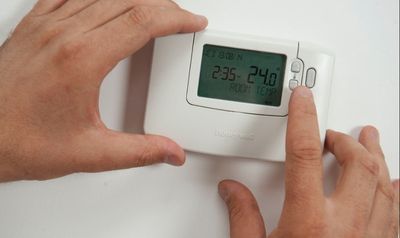
Another way a new boiler can help reduce energy bills is through enhanced control systems. Many new boilers are compatible with smart thermostats, which allow you to program and control your home heating more efficiently. With a smart thermostat, you can set your heating to turn off automatically when you are not home, or reduce the temperature during hours when you don’t need as much warmth. This level of control can significantly decrease energy usage without sacrificing comfort.
Zoning Systems
Some new boilers are equipped with zoning capabilities, which allow you to heat only parts of your home that are in use. Instead of heating the entire house at the same level, you can set different temperatures for different rooms or zones. This is particularly useful for larger homes, or for families where members may prefer different temperatures in their living spaces. By heating your home more strategically, you can use less energy overall.
Installing a new boiler can be a wise investment that not only enhances the comfort of your home but also contributes to significant energy savings over time. With high-efficiency ratings and sophisticated control features, modern boilers are equipped to heat your home more effectively and economically. So, while the upfront cost of a new boiler might be substantial, the reduction in your energy bills can make it a financially sound decision in the long run. If you're looking to cut your heating costs, upgrading to a new boiler is a step worth considering.
Choosing the Right Boiler For The Size Of Your Home
When it comes to selecting a new boiler, one of the most important considerations is finding a model that fits your home's size and your heating needs. A boiler that is too small won't keep your home warm enough, and a boiler that is too large will waste a lot of energy and increase your fuel bills. Here is how to determine the right boiler for your home size, ensuring efficient heating and optimal performance.
Assessing Your Home’s Heating Needs
The first step in choosing the right boiler is to assess the heating requirements of your home. This involves considering the size of your home (in square feet), the number of rooms it has, and the overall layout of your property. A larger home with multiple rooms or open spaces may require a boiler with a higher output to ensure adequate heating throughout your home.
Additionally, it is also about your home's insulation levels. Homes that are poorly insulated require more powerful boilers because they lose heat quicker. Whereas a well-insulated home can retain heat longer, meaning they can often make do with a boiler that has a lower heat output. The climate in your local area also affects the size of the boiler. If your home is in a colder region then it will naturally demand more from a heating system than if it was in a milder area.
Understanding Boiler Types and Capacities
Combi Boilers
Combi boilers are a popular choice for small to medium-sized homes with one or two bathrooms. They provide heat and hot water on demand without the need for a separate water tank. However, their capacity to supply hot water is limited by their rate of water flow, so if your home has high hot water needs, such as multiple bathrooms, then a combi boiler might struggle to keep up during peak times.
System and Regular Boilers
For larger homes with multiple bathrooms, a system or regular boiler might be more appropriate. These boilers use a hot water storage cylinder to hold a large volume of hot water, making it easier to supply hot water to several outlets simultaneously without a drop in pressure. They are particularly suitable for homes where hot water demand is high or where multiple family members might need to use hot water at the same time.
Calculating the Correct Boiler Size
To choose the correct size boiler, you can use a simple rule of thumb based on your home’s square footage. As a general guide, you’ll need about 1.5 kW of boiler power for every 10 square metres of floor space in a typical home. However, this can vary based on factors like insulation quality and your specific heating and hot water needs. It’s often wise to consult with a heating engineer who can perform a more detailed heat loss calculation. This calculation considers factors like external temperatures, insulation levels, window sizes, and more to recommend the ideal boiler size for your home.
Choosing the right boiler for your home is not just about ensuring comfort; it's also about maximising energy efficiency and managing your energy costs. By carefully considering your home’s specific needs and consulting with the professionals, you can select a boiler that provides efficient, effective heating and hot water for your entire household.
If you’re looking for a Commercial or Residential gas boiler installation we can help.
Boiler Installation Services Frequently Asked Questions
Do double panel radiators cost more to run?
Do double panel radiators cost more to run? They give out more heat (and you cant get something for nothing) so they cost more to run. The reason for doubles is to give a high output for taking up less wall space. If you put a long single in a room as against a small double (both with the same btu rating)
Do radiators have to be under Windows?
Do radiators have to be under Windows? In old and poorly insulated houses a radiator under the window is still necessary to combat the penetrating cold. However that is an energy-intense solution. It is better to insulate the house thoroughly and to install double (or triple) glazing.
How long do radiators last in the house?
How long do radiators last in the house? Central heating engineers recommend that the average lifespan of a radiator is between 8-12 years. This could mean that any radiators in your home that are over 10 years old have stopped working efficiently are costing you more for a poorly heated household.
How do you know if your boiler is going to explode?
How do you know if your boiler is going to explode? If you detect a sulfur rotten-egg-type smell near the water heater it could be because there is a gas leak inside that could ignite when the light is on. If you smell gas around your heater turn the gas off immediately and call a licensed gas engineer to check the heater.
Is turning your boiler off bad?
Is turning your boiler off bad? Turning your boiler on and off or turning it off for longer can cause issues with your valves and pumps as they might seize up. To prevent your boiler breaking down we recommend that you get an annual boiler service.
Other areas we cover include: