

Moodiesburn Commercial And Residential Boiler Installation
Have a modern A+ rated gas boiler installed and start to save money on your gas costs straight away.
Get In Touch Today
Our approved Gas Safe Registered gas boiler installation engineers provide and install an extensiverange of A+ rated, energy-saving new gas boilers from the top suppliers like Baxi, Worcester-Bosch, Viessmann, Vaillant, Ideal, Glow-worm and many more, throughout the Clavering and Essex area.
So if you’re not really sure when it comes to the kind of gas boiler you require, or you’re concerned about the cost of buying a brand-new gas boiler. Do not stress our trusted traders are available to assist you find the best gas boiler to match your needs and budget.
To find out more just fill in the form and we’ll respond to you. Or feel free to give us a ring.
When Is The Right Time for a Boiler Replacement
Deciding when to replace your boiler can be a bit daunting. You want to get the most out of your current boiler, but you also don't want to wait until it fails completely, and potentially leaving you in the cold and facing an unexpected big bill.
What Are The Signs of an Aging Boiler
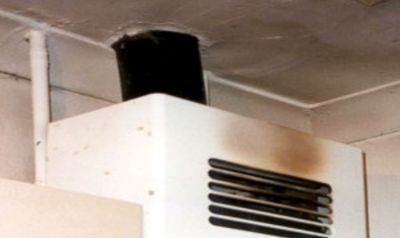
One of the first things you should look at is the age of your boiler. Most boilers have a lifespan of about 15 years. If yours is approaching or has surpassed this age, it's time to start considering a replacement. Age isn't just a number when it comes to boilers; as they get older, boilers become less efficient and more prone to breakdowns. You might notice that your heating bills are steadily increasing, which is often due to the declining efficiency of your ageing boiler as it needs to work harder to heat your home.
Another telltale sign is the frequency of which you are needing repairs. If you find yourself calling for repairs more than once a year, it's a clear indicator that your boiler is on its last legs. Frequent breakdowns are not only inconvenient but they are also an economic burden. Also, parts for older model boilers are harder to find and can be more expensive, which adds to the overall cost of maintaining your outdated system.
What Are The Benefits of a New Boiler
A new boiler offers more than just reliability; it also provides you with improved efficiency. Modern boilers are designed to use less energy to produce the same amount of heat as older ones, which means they are better for your wallet and the environment. The initial investment might seem large at the time, but the reduction in your monthly energy bills can make up for the upfront cost over time.
Is Your Boiler Meeting Your Current Needs?
As you assess whether you need a new boiler, consider any changes in your heating requirements. Have you had an extension added to your home, or has the number of occupants increased since you had the current boiler installed. These factors can place a strain on your old boiler pushing it beyond its capacity, making it inefficient and uneconomical to run. A new boiler can be sized perfectly to match your current needs, ensuring efficient operation and optimal comfort.
If you're experiencing issues with your boiler or suspect it might be time for an upgrade, consulting with a professional gas boiler installer will provide you with the guidance that you need. They will assess your current system and help you to determine what are the best options for a replacement. The options will be tailored to your home, lifestyle and budget needs. Don't wait for your boiler to fail. Proactively replacing your boiler can ensure that you and your family stay warm when you need it the most and you save money in the long run.
For more information on Residential or Commercial boiler installation or replacement, contact us today
Can Having A New Boiler Installed Reduce Your Energy Bills?
If you're thinking about having a new boiler installed, then you might be wondering what will be the potential impact on your energy bills. The good news is that upgrading to a newer, more efficient boiler can help to reduce your energy costs significantly.
Enhanced Efficiency of Modern Boilers
Modern boilers are designed to be much more efficient than older models. The efficiency of a boiler is measured by its Annual Fuel Utilisation Efficiency (AFUE) rating, which indicates what percentage of the fuel becomes heat for your home. New boilers often have AFUE ratings of 90% or higher, meaning they convert most of the fuel they use into heat. In contrast, older boilers may have ratings as low as 60-70%, indicating that a significant portion of the fuel they consume is wasted.
The higher efficiency ratings of new boilers are achieved through advanced technology such as electronic ignition, which eliminates the need to keep a pilot light burning continuously. Modern boilers also often include features like condensing technology, which captures heat from exhaust gases that would otherwise be lost through the flue. By ensuring that less heat is lost, these boilers require less fuel to heat your home, resulting in lower energy bills.
Optimising Home Heating with Programmable Features
Smart Controls and Thermostats
Another way a new boiler can help reduce energy bills is through enhanced control systems. Many new boilers are compatible with smart thermostats, which allow you to program and control your home heating more efficiently. With a smart thermostat, you can set your heating to turn off automatically when you are not home, or reduce the temperature during hours when you don’t need as much warmth. This level of control can significantly decrease energy usage without sacrificing comfort.
Zoning Systems
Some new boilers are equipped with zoning capabilities, which allow you to heat only parts of your home that are in use. Instead of heating the entire house at the same level, you can set different temperatures for different rooms or zones. This is particularly useful for larger homes, or for families where members may prefer different temperatures in their living spaces. By heating your home more strategically, you can use less energy overall.
Installing a new boiler can be a wise investment that not only enhances the comfort of your home but also contributes to significant energy savings over time. With high-efficiency ratings and sophisticated control features, modern boilers are equipped to heat your home more effectively and economically. So, while the upfront cost of a new boiler might be substantial, the reduction in your energy bills can make it a financially sound decision in the long run. If you're looking to cut your heating costs, upgrading to a new boiler is a step worth considering.

Key Features to Consider When Buying A New Boiler
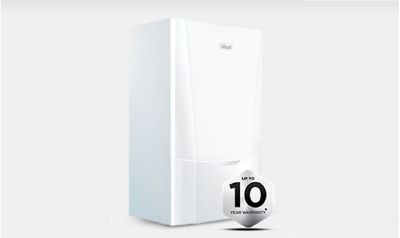
Choosing a new boiler involves more than just selecting a heating system; it's about finding a boiler that has the right features that will be reliable, enhance your comfort, give you improved efficiency, and reduce your energy costs. Depending on your home's heating needs, several features will stand out as being beneficial.
Energy Efficiency Ratings
One of the main features you should consider is the boiler's energy efficiency rating. An efficient boiler can significantly reduce your monthly energy bills while at the same time minimising your environmental impact. You should look for boilers that have a high ErP (Energy-related Products) rating. The ErP directive helps you to identify the most energy-efficient products. Boilers are rated from A+++ (most efficient) to G (least efficient). If you choose a boiler model that is rated 'A' for efficiency this ensures that your boiler will convert as much energy into heat as possible, cutting down on wasted energy.
Boiler Type and Compatibility
Combi, System, or Regular Boilers
The type of boiler you choose should suit your home's size and your hot water needs.
- Combi boilers are great for smaller homes with limited space, as they do not require additional hot water storage tanks.
- System boilers, equipped with a hot water tank, are suitable for homes with higher hot water usage, often seen in larger households.
- Regular boilers need a cold water tank and a hot water cylinder. These are best suited for homes with multiple bathrooms and where water pressure might be an issue.
Programmable Controls and Smart Features
These days boilers will often come with advanced programmable controls that allow you to set and adjust your heating schedule based on your daily routine. This feature not only provides convenience but also enhances energy efficiency by heating your home only when necessary. Also, some boilers are compatible with smart home systems, enabling you to control your heating remotely from your smartphone or tablet. This can be particularly useful if you want to heat your home before you arrive or if you need to adjust settings while away.
Quiet Operation and Safety Features
Noise can be a significant concern, especially if the boiler is near living spaces or bedrooms. The newer boilers are designed to operate quietly, improving the comfort of your home environment. Additionally, safety features such as automatic shutdown mechanisms in the event of a malfunction or carbon monoxide detection can provide peace of mind, ensuring that your boiler operates safely at all times.
Finally, you should consider the lifespan and the maintenance aspects of the boiler. Look for models that offer long warranty periods and easy access for maintenance and repairs. This can make a big difference in your experience with the boiler over its lifetime. Reliable customer support from the manufacturer or installer can also help resolve any issues quickly and efficiently.
By prioritising these features when you are selecting your new boiler, you can ensure that you will be investing in a system that meets your specific needs while offering improved efficiency, comfort, and safety. Remember, the right boiler can transform the way you heat your home, making it a cosy haven during the colder months.
For more information on Residential or Commercial boiler installation or replacement, contact us today
Boiler Installation Services Frequently Asked Questions
Are power flushes worth it?
Are power flushes worth it? Powerflushing can be an effective way to remove sludge and blockages from a central heating system but some installers find it difficult to convince the householder that it's a service worth paying for.
Why are radiators cold at the bottom?
Radiators made of steel or iron are cold at the bottom as iron compounds will gradually be created as the water passes over it. Magnetite and haematite (two forms of iron oxide) are the biggest problems but there can also be other impurities in the water like limescale that can cause grime to accumulate.
How often should central heating inhibitor be changed?
Your central heating inhibitor will need to be changed once a year or so. It will break down over time meaning minerals and rust build up once more. This means regulating your system's inhibitor intake ensuring it runs steadily and consistently. You should always top up the inhibitor every time your system is drained.
How long should central heating boiler last?
The average life expectancy for a central heating boiler is between 10 and 15 years. You should ensure that your boiler is maintained properly in order to keep it functioning for as long as possible.
Is it cheaper to have heating on low all day?
Is it cheaper to have heating on low all day? According to experts at the Energy Saving Trust the idea it's cheaper to leave the heating on low all day is a myth. They're clear that having the heating on only when you need it is in the long run the best way to save energy and therefore money.