

Glenboig Commercial And Residential Boiler Replacement
Get a new A+ rated boiler installed and start saving money on your monthly gas bills now.
Get In Touch Today
Our approved Gas Safe Registered gas boiler installation engineers provide and install an extensiverange of A+ rated, energy-saving new gas boilers from the top suppliers like Baxi, Worcester-Bosch, Viessmann, Vaillant, Ideal, Glow-worm and many more, throughout the Clavering and Essex area.
So if you’re not really sure when it comes to the kind of gas boiler you require, or you’re concerned about the cost of buying a brand-new gas boiler. Do not stress our trusted traders are available to assist you find the best gas boiler to match your needs and budget.
To find out more just fill in the form and we’ll respond to you. Or feel free to give us a ring.
When Is The Right Time for a Boiler Replacement
Deciding when to replace your boiler can be a bit daunting. You want to get the most out of your current boiler, but you also don't want to wait until it fails completely, and potentially leaving you in the cold and facing an unexpected big bill.
What Are The Signs of an Aging Boiler
One of the first things you should look at is the age of your boiler. Most boilers have a lifespan of about 15 years. If yours is approaching or has surpassed this age, it's time to start considering a replacement. Age isn't just a number when it comes to boilers; as they get older, boilers become less efficient and more prone to breakdowns. You might notice that your heating bills are steadily increasing, which is often due to the declining efficiency of your ageing boiler as it needs to work harder to heat your home.
Another telltale sign is the frequency of which you are needing repairs. If you find yourself calling for repairs more than once a year, it's a clear indicator that your boiler is on its last legs. Frequent breakdowns are not only inconvenient but they are also an economic burden. Also, parts for older model boilers are harder to find and can be more expensive, which adds to the overall cost of maintaining your outdated system.
What Are The Benefits of a New Boiler
A new boiler offers more than just reliability; it also provides you with improved efficiency. Modern boilers are designed to use less energy to produce the same amount of heat as older ones, which means they are better for your wallet and the environment. The initial investment might seem large at the time, but the reduction in your monthly energy bills can make up for the upfront cost over time.
Is Your Boiler Meeting Your Current Needs?
As you assess whether you need a new boiler, consider any changes in your heating requirements. Have you had an extension added to your home, or has the number of occupants increased since you had the current boiler installed. These factors can place a strain on your old boiler pushing it beyond its capacity, making it inefficient and uneconomical to run. A new boiler can be sized perfectly to match your current needs, ensuring efficient operation and optimal comfort.
If you're experiencing issues with your boiler or suspect it might be time for an upgrade, consulting with a professional gas boiler installer will provide you with the guidance that you need. They will assess your current system and help you to determine what are the best options for a replacement. The options will be tailored to your home, lifestyle and budget needs. Don't wait for your boiler to fail. Proactively replacing your boiler can ensure that you and your family stay warm when you need it the most and you save money in the long run.
For more information on Residential or Commercial boiler installation or replacement, contact us today
What are the Benefits of Upgrading to a New Boiler
When you are thinking of having a new boiler installed it initially seems to be a huge investment. But if you understand the benefits that you will gain by upgrading to a new boiler then you can make an informed decision about what to do. Modern boilers are not only more efficient than your old boiler but they also come with a host of benefits that extend beyond your heating.
Enhanced Energy Efficiency
The biggest reason to upgrade to a new boiler is the improved energy efficiency that it will offer. Modern boilers are designed to use the fuel more effectively. They convert more of it into usable heat. This means that you get more heat for every pound you spend on your gas bill. Which can lead to substantial savings on your energy bills. Over time, these savings can offset the initial cost of your boiler installation. Energy efficiency in new boilers is measured by annual fuel utilisation efficiency (AFUE) ratings, with many new models achieving ratings of 90% or higher. This is a significant increase compared to older models that might operate at just 60% efficiency.
Increased Reliability and Reduced Repairs
A new boiler provides you with peace of mind with its reliability. Your old boiler can become a source of stress , especially during the cold months when breakdowns are more likely to occur. Upgrading to a new boiler means less worrying about your boiler quitting on you when you need it the most. Additionally, a new boiler will have fewer operational failures, meaning fewer calls to have the boiler repaired. Not only does this save you money on maintenance costs, but it also minimises the inconvenience of having to deal with heating disruptions during the cold weather.
More Comfort and Control
Modern boilers will often come with advanced features that will not only improve your comfort but they will also give you more control over your heating system. Programmable thermostats, for instance, allow you to set your heating to turn on and off at designated times of the day, ensuring that your home is warm when you need it to be and saving energy when you don't. Some new boilers can also be integrated with smart home systems, giving you the ability to control your heating remotely via a smartphone app. This means you can adjust your home's temperature on your way back from work, ensuring it's just right when you arrive.
In addition, new boilers tend to operate more quietly than older ones. This means less noise in your home. This is especially important in compact living spaces or if your boiler is located near living areas or bedrooms. The improvement in design also often includes better safety features, reducing the risk of carbon monoxide leaks, which are a concern with older or poorly maintained units.
If you're thinking about upgrading your boiler, consider these benefits carefully. You're not just buying a new appliance; you're investing in a more efficient, reliable, and enjoyable heating experience for your home. A new boiler can change the way you think about and use your heating system, providing you with warmth and comfort for years to come.
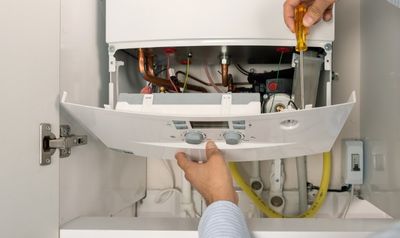

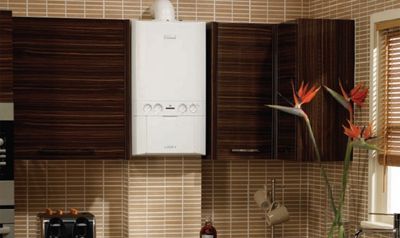
How Long Does It Take to Install a New Boiler?
When you have decided to upgrade or replace your old boiler, one of the first questions you might ask is how long the installation of your new boiler will take. Understanding this timeline will help you to plan accordingly, ensuring that you are not left without your heating for a longer period than is necessary.
The Standard Installation Time
The time it takes to install a new boiler can vary, generally ranging from a single day to several days. For most standard replacements, where the new boiler is similar in type and size to the old one, and no significant alterations are needed, the installation is likely to be completed within a day. This scenario also assumes that your previous install was up to current standards and the new boiler can be fitted using the existing connections and pipework.
What Factors Affect The Boiler Installation Time
The Type and Complexity of Installation
The type of boiler you are having installed and the complexity of the installation play significant roles in how long the installation process takes. If you are switching to a different type of boiler, such as from a conventional boiler to a combi boiler. Then the work required is going to be more extensive as this kind of switch will often require changing the pipework and possibly updating the radiators or controls. This can extend the installation to two or three days.
Preparation and Previous System Condition
How well the previous system was maintained and the extent of preparation required before the new boiler can be installed will also impact on the duration of the installation process. If there are any repairs or updates to your home’s heating infrastructure, such as replacing old pipes or installing new radiators, then this will add time onto the installation process. Similarly, if your new boiler is being installed in a different location than the old one, then additional work will be needed to reroute your pipework.
It is important that you are prepared for some variability in your boiler installation timeline. If your Gas Safe Engineer identifies any issues like gas safety concerns or inadequate flue positioning during the initial assessment, then these issues must be addressed, which can further extend your installation process.
Even though you are more than likely very eager to get your new boiler up and running as quickly as possible, having a thorough and correctly performed installation is essential for ensuring the efficiency and the safety of your new heating system. Choosing a reputable and certified installer who will adhere to the highest standards is just as important as the boiler that you choose. Qualified and experienced gas engineers will not only ensure that your boiler installation is done swiftly and that it is also done correctly, which will save you from future complications and costs.
By understanding the factors that affect the boiler installation time, you can set realistic expectations and make the necessary arrangements to ensure your home remains comfortable and warm, even during the installation process.
For more information on Residential or Commercial boiler installation or replacement, contact us today
Boiler Installation FAQs
Can I install a boiler myself?
Can You Install a boiler yourself? Most boiler manufacturers include a clause in their warranty that insists your boiler is installed by a qualified engineer. By installing the boiler yourself you may be invalidating any warranty or guarantee that was included.
How long does it take to install boiler?
The length of time it takes to install a new boiler is on average between 1-3 days depending on the complexity of the job. You should also set aside time for your survey appointment which will take place prior to your installation.
What paperwork should I get with a new boiler?
The paperwork that you should get with a new boiler is a boiler certificate? A boiler certificate provides confirmation that your appliance was installed by a suitably qualified heating engineer. You should receive your copy in the post a few days after the boiler was installed. This certificate will need to be kept in a safe place.
Do you need a power flush when installing a new boiler?
Is it essential to use a power flush when installing a new boiler? When you are getting a new boiler installed the building regulations recommend that a suitable cleanse is carried out prior to the installation. This can vary from a simple system flush with clean water to a powerful Powerflush on more contaminated systems.
Do you need new radiators with a new boiler?
Do you need to install new radiators when installing a new boiler? When installing a new boiler it is now increasingly recommended to also upgrade your radiators if they were installed before 2000. Heating installers will now likely recommend to the homeowner that it is worth the extra investment of a full set of radiators if a new combi boiler is being put in.
Other areas we cover include: