

Residential & Commercial Boiler Replacement Chapelton
Get a brand new A+ rated boiler installed and start saving money on your monthly gas bills straight away.
Get In Touch Today
Our approved Gas Safe Registered gas boiler installation engineers provide and install an extensiverange of A+ rated, energy-saving new gas boilers from the top suppliers like Baxi, Worcester-Bosch, Viessmann, Vaillant, Ideal, Glow-worm and many more, throughout the Clavering and Essex area.
So if you’re not really sure when it comes to the kind of gas boiler you require, or you’re concerned about the cost of buying a brand-new gas boiler. Do not stress our trusted traders are available to assist you find the best gas boiler to match your needs and budget.
To find out more just fill in the form and we’ll respond to you. Or feel free to give us a ring.
Understanding When It’s Time for a New Boiler
Have you ever found yourself asking, "Is it time to get my boiler replaced?" Well, you're not alone. Many homeowners face this question, especially as their boiler starts showing signs of wear and tear. Recognising these signs can be the difference between staying ahead of winter's chill and finding yourself in a cold spot. First and foremost, an old or malfunctioning boiler tends to work less efficiently, leading to higher energy bills. If your bills have been creeping up, despite your best efforts to save energy, your boiler might be the culprit. Moreover, frequent breakdowns and the constant need for repairs can be both costly and inconvenient. It's like having a car that's always in the shop; eventually, you have to ask yourself if it's worth the hassle.
But how do you know for sure it's time to change your boiler? Listen to it. No, really. Strange noises coming from your boiler, such as banging, whistling, or gurgling, can indicate that it's struggling to work correctly. These sounds can be a boiler's way of crying out for help, signalling issues like low water pressure or a lime-scale build-up. Another tell-tale sign is if your home isn't warming up as efficiently or evenly as it used to. You might find that some rooms feel like a tropical paradise, while others are more akin to the Arctic. It's not just about comfort; it's about efficiency and safety too. An old boiler can also be a safety hazard, with risks of carbon monoxide leaks, which are as dangerous as they sound.
Deciding to install a new boiler isn't just about solving current problems; it's an investment in your home's future. Modern boilers are more energy-efficient, reliable, and safer. They come with features that not only save you money on your energy bills but also offer peace of mind. Imagine being able to control your home's heating from your smartphone, ensuring a warm welcome home without wasting energy all day. Plus, with potential government grants and incentives like the Energy Company Obligation (ECO) scheme or the Renewable Heat Incentive (RHI), upgrading your boiler can be more affordable than you think. So, while the question of when to replace your boiler might seem daunting, the answer could very well lead you to a warmer, more efficient, and safer home.
If you have further questions about Commercial or Residential gas boiler installation give us a call to book a free survey.
What are the Benefits of Upgrading to a New Boiler
When you are thinking of having a new boiler installed it initially seems to be a huge investment. But if you understand the benefits that you will gain by upgrading to a new boiler then you can make an informed decision about what to do. Modern boilers are not only more efficient than your old boiler but they also come with a host of benefits that extend beyond your heating.
Enhanced Energy Efficiency
The biggest reason to upgrade to a new boiler is the improved energy efficiency that it will offer. Modern boilers are designed to use the fuel more effectively. They convert more of it into usable heat. This means that you get more heat for every pound you spend on your gas bill. Which can lead to substantial savings on your energy bills. Over time, these savings can offset the initial cost of your boiler installation. Energy efficiency in new boilers is measured by annual fuel utilisation efficiency (AFUE) ratings, with many new models achieving ratings of 90% or higher. This is a significant increase compared to older models that might operate at just 60% efficiency.
Increased Reliability and Reduced Repairs
A new boiler provides you with peace of mind with its reliability. Your old boiler can become a source of stress , especially during the cold months when breakdowns are more likely to occur. Upgrading to a new boiler means less worrying about your boiler quitting on you when you need it the most. Additionally, a new boiler will have fewer operational failures, meaning fewer calls to have the boiler repaired. Not only does this save you money on maintenance costs, but it also minimises the inconvenience of having to deal with heating disruptions during the cold weather.
More Comfort and Control
Modern boilers will often come with advanced features that will not only improve your comfort but they will also give you more control over your heating system. Programmable thermostats, for instance, allow you to set your heating to turn on and off at designated times of the day, ensuring that your home is warm when you need it to be and saving energy when you don't. Some new boilers can also be integrated with smart home systems, giving you the ability to control your heating remotely via a smartphone app. This means you can adjust your home's temperature on your way back from work, ensuring it's just right when you arrive.
In addition, new boilers tend to operate more quietly than older ones. This means less noise in your home. This is especially important in compact living spaces or if your boiler is located near living areas or bedrooms. The improvement in design also often includes better safety features, reducing the risk of carbon monoxide leaks, which are a concern with older or poorly maintained units.
If you're thinking about upgrading your boiler, consider these benefits carefully. You're not just buying a new appliance; you're investing in a more efficient, reliable, and enjoyable heating experience for your home. A new boiler can change the way you think about and use your heating system, providing you with warmth and comfort for years to come.
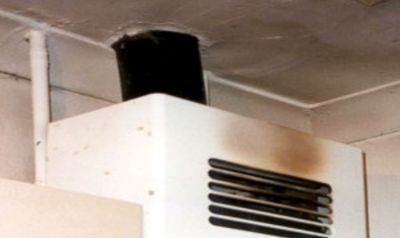


How Long Does It Take to Install a New Boiler?
When you have decided to upgrade or replace your old boiler, one of the first questions you might ask is how long the installation of your new boiler will take. Understanding this timeline will help you to plan accordingly, ensuring that you are not left without your heating for a longer period than is necessary.
The Standard Installation Time
The time it takes to install a new boiler can vary, generally ranging from a single day to several days. For most standard replacements, where the new boiler is similar in type and size to the old one, and no significant alterations are needed, the installation is likely to be completed within a day. This scenario also assumes that your previous install was up to current standards and the new boiler can be fitted using the existing connections and pipework.
What Factors Affect The Boiler Installation Time
The Type and Complexity of Installation
The type of boiler you are having installed and the complexity of the installation play significant roles in how long the installation process takes. If you are switching to a different type of boiler, such as from a conventional boiler to a combi boiler. Then the work required is going to be more extensive as this kind of switch will often require changing the pipework and possibly updating the radiators or controls. This can extend the installation to two or three days.
Preparation and Previous System Condition
How well the previous system was maintained and the extent of preparation required before the new boiler can be installed will also impact on the duration of the installation process. If there are any repairs or updates to your home’s heating infrastructure, such as replacing old pipes or installing new radiators, then this will add time onto the installation process. Similarly, if your new boiler is being installed in a different location than the old one, then additional work will be needed to reroute your pipework.
It is important that you are prepared for some variability in your boiler installation timeline. If your Gas Safe Engineer identifies any issues like gas safety concerns or inadequate flue positioning during the initial assessment, then these issues must be addressed, which can further extend your installation process.
Even though you are more than likely very eager to get your new boiler up and running as quickly as possible, having a thorough and correctly performed installation is essential for ensuring the efficiency and the safety of your new heating system. Choosing a reputable and certified installer who will adhere to the highest standards is just as important as the boiler that you choose. Qualified and experienced gas engineers will not only ensure that your boiler installation is done swiftly and that it is also done correctly, which will save you from future complications and costs.
By understanding the factors that affect the boiler installation time, you can set realistic expectations and make the necessary arrangements to ensure your home remains comfortable and warm, even during the installation process.
If you have further questions about Commercial or Residential gas boiler installation give us a call to book a free survey.
Boiler Installation Services Frequently Asked Questions
Do double panel radiators cost more to run?
Do double panel radiators cost more to run? They give out more heat (and you cant get something for nothing) so they cost more to run. The reason for doubles is to give a high output for taking up less wall space. If you put a long single in a room as against a small double (both with the same btu rating)
Do radiators have to be under Windows?
Do radiators have to be under Windows? In old and poorly insulated houses a radiator under the window is still necessary to combat the penetrating cold. However that is an energy-intense solution. It is better to insulate the house thoroughly and to install double (or triple) glazing.
How long do radiators last in the house?
How long do radiators last in the house? Central heating engineers recommend that the average lifespan of a radiator is between 8-12 years. This could mean that any radiators in your home that are over 10 years old have stopped working efficiently are costing you more for a poorly heated household.
How do you know if your boiler is going to explode?
How do you know if your boiler is going to explode? If you detect a sulfur rotten-egg-type smell near the water heater it could be because there is a gas leak inside that could ignite when the light is on. If you smell gas around your heater turn the gas off immediately and call a licensed gas engineer to check the heater.
Is turning your boiler off bad?
Is turning your boiler off bad? Turning your boiler on and off or turning it off for longer can cause issues with your valves and pumps as they might seize up. To prevent your boiler breaking down we recommend that you get an annual boiler service.
Other areas we cover include: